


Have you ever wondered how someone receives an MBE, OBE, CBE, Knighthood or Damehood? Or perhaps you know someone whose extraordinary achievements deserve national recognition?
The King’s Honours celebrate people who have made an outstanding difference to their communities, industries and the wider UK.
From inspirational volunteers and charity founders to pioneering entrepreneurs, business leaders, educators and innovators, the honours system recognises exceptional people whose achievements and service have made a lasting impact.
And you don’t need to be famous, wealthy or a household name to be considered.
Many honours recognise people working tirelessly behind the scenes, making a genuine difference to the lives of others.
So, could someone you know be eligible for a King’s Honour?
What are the King’s Honours?
The UK Honours system recognises individuals who have made an exceptional contribution to society, their profession or their community.
Following the accession of His Majesty King Charles III in September 2022, the honours are now awarded in the name of The King.
Recipients are announced in two main honours lists each year:
- The New Year Honours List, published at the end of December.
- The King’s Birthday Honours List, normally published in June.
These prestigious honours celebrate achievements across a wide range of fields, including business, entrepreneurship, science, technology, education, healthcare, sport, charity and community service.
What connects recipients is not simply their professional success, but the exceptional contribution they have made and the positive impact of their work.
What is the difference between an MBE, OBE, CBE and Knighthood?
There are several levels of recognition within the UK Honours system, each reflecting the nature, scale and significance of an individual’s achievements.
MBE – Member of the Order of the British Empire
An MBE recognises outstanding achievement or service to the community that has made a significant, lasting difference.
It may be awarded to someone who has demonstrated exceptional commitment to a charitable cause, transformed opportunities for others, or made a notable contribution within their profession or community.
OBE – Officer of the Order of the British Empire
An OBE recognises individuals who have made a major contribution at a local or regional level, including achievements that have brought them national recognition within their field.
Recipients may have demonstrated outstanding leadership, innovation or sustained impact through their professional or voluntary work.
CBE – Commander of the Order of the British Empire
A CBE recognises distinguished contributions, often involving a prominent national role, significant regional leadership or exceptional innovation.
Recipients have typically demonstrated considerable influence and achievement within their profession, industry or wider society.
Knighthood or Damehood
A Knighthood or Damehood is among the highest forms of national recognition.
These honours recognise individuals whose sustained contribution has been especially significant and inspirational, often at a national level.
Recipients of qualifying Knighthoods and Damehoods may use the titles Sir or Dame, reflecting their exceptional service and achievements.
BEM – British Empire Medal
The British Empire Medal recognises outstanding hands-on service to a local community.
It is particularly associated with people who have made a meaningful difference through voluntary work, charitable activities or other community-focused initiatives.
A BEM can celebrate both long-standing contributions and shorter periods of innovative activity that have delivered significant impact.
Important: You cannot choose which level of honour someone receives. The appropriate recognition is determined through the official honours assessment process.
Who is eligible for a King’s Honour?
People from all walks of life can be considered for a King’s Honour.
You do not have to lead a large organisation, hold a senior job title or have achieved national fame.
The honours system considers individuals who have demonstrated exceptional achievement or service, particularly where their contribution has improved the lives of others.
This could include:
- An entrepreneur whose innovations have created meaningful economic or social impact.
- A business leader who has transformed opportunities within their industry or community.
- A charity founder who has dedicated years to supporting vulnerable people.
- An educator who has made an extraordinary contribution to learning and development.
- A volunteer whose sustained commitment has changed lives.
- A healthcare professional who has significantly improved services or outcomes.
- An individual whose work has enhanced the UK’s reputation internationally.
What matters is the strength of the contribution, the evidence of its impact and the extent to which it goes beyond what would ordinarily be expected.
An impressive career alone does not automatically qualify someone for an honour. The nomination must demonstrate why their contribution is genuinely exceptional.
How do you nominate someone for a King’s Honour?
Anyone can nominate someone for a UK national honour.
You do not need a special invitation or an existing connection to the honours system.
However, nominations require careful preparation, compelling evidence and a clear explanation of the nominee’s exceptional achievements.
Step 1: Identify an exceptional contribution
Begin by examining what makes the individual’s achievements stand out.
What have they changed, improved, pioneered or made possible?
Consider the wider impact of their work, who has benefited, and how their contribution differs from the achievements normally expected within their role.
Step 2: Gather meaningful evidence
A strong nomination goes beyond describing someone’s responsibilities or listing professional achievements.
It should demonstrate the difference they have made.
Evidence might include:
- Measurable improvements or results.
- Numbers of people or communities supported.
- Examples of innovation or positive change.
- Recognition from respected organisations.
- Evidence of sustained contribution over time.
- Independent examples of the nominee’s influence and achievements.
Wherever possible, show not just what the individual has done, but why it matters.
Step 3: Obtain supporting letters
A nomination requires at least two supporting letters from people who can independently confirm the nominee’s achievements and impact.
These should offer meaningful, specific examples rather than simply repeating information already included in the nomination.
Letters may come from colleagues, community leaders, beneficiaries or individuals who have directly experienced the value of the nominee’s work.
The nominator cannot provide one of the supporting letters.
Step 4: Prepare a compelling nomination
An effective nomination tells a clear, credible story.
It should explain the nominee’s achievements, the obstacles they have overcome, the impact they have created and why their contribution deserves national recognition.
Avoid relying on general statements such as ‘inspirational leader’ or ‘outstanding individual’ without providing evidence.
The strongest nominations combine a persuasive narrative with specific, independently supported achievements.
Step 5: Submit the nomination confidentially
UK national honours nominations can be submitted through the official government process.
The person being nominated must not be told that they are under consideration.
Confidentiality is an important requirement, so any discussions with supporters and evidence-gathering activities should be handled discreetly.
You can find official guidance and nomination forms on the UK Government Honours website.
How long does it take to receive a King’s Honour?
The process requires patience.
Once a nomination has been submitted, it will undergo a detailed assessment and verification process.
This can involve reviews by specialist honours committees and checks by relevant government departments before recommendations are considered by the Prime Minister and His Majesty The King.
It generally takes at least 12 to 18 months, and sometimes longer, for a nomination to progress through the process.
There is no fixed deadline for submitting a general national honours nomination, and nominations can be submitted throughout the year.
Not every nomination will be successful, and a successful outcome cannot be guaranteed.
That makes it even more important to approach the process with realistic expectations and carefully prepared evidence.
What happens if you receive a King’s Honour?
Receiving a King’s Honour is an extraordinary achievement.
Successful recipients are publicly recognised through the official honours lists, creating an opportunity to celebrate their achievements and the people who have benefited from their work.
Depending on the honour awarded, recipients may be invited to an investiture ceremony at a royal residence, while British Empire Medals are normally presented locally.
Recipients of MBE, OBE and CBE honours may use the relevant post-nominal letters after their name. Certain Knighthoods and Damehoods also confer the titles Sir or Dame.
Beyond the formal recognition, an honour can provide a powerful opportunity to raise awareness of important causes, inspire others and bring greater visibility to work that might otherwise remain unseen.
For entrepreneurs, business leaders and professionals, it can also reinforce an established reputation for exceptional achievement and service.
However, the greatest value of an honour is the recognition of the genuine contribution behind it.
Can business leaders and entrepreneurs receive King’s Honours?
Absolutely.
Entrepreneurs and business leaders have an important role in shaping the UK’s economy, creating employment, driving innovation and delivering meaningful social impact.
The honours system recognises outstanding contributions to business and the economy, alongside achievements across public service, education, science, charity and many other fields.
But there is an important distinction.
Building a successful business is not, by itself, a guarantee of eligibility for a national honour.
A compelling nomination needs to demonstrate the wider significance of the individual’s contribution.
This could include pioneering innovation, transformational leadership, extraordinary service to an industry, significant community impact, or achievements that have created lasting benefits for others.
The strongest cases show why the individual’s work matters beyond their personal or commercial success.
Is a King’s Honour the same as a King’s Award for Enterprise?
No. Although both are prestigious forms of royal recognition, they serve different purposes.
King’s Honours, such as MBEs, OBEs and CBEs, recognise outstanding individual achievement and service.
The King’s Awards for Enterprise recognise exceptional achievements by eligible UK organisations and businesses.
The King’s Awards for Enterprise include categories covering innovation, international trade, sustainability, promoting opportunity through social mobility, and the newer Young Founder category.
For ambitious organisations seeking recognition for their business achievements, The King’s Awards for Enterprise may be a more appropriate route.
At August Recognition, we help organisations identify prestigious awards that align with their achievements, ambitions and wider business objectives.
Discover more about The King’s Awards for Enterprise.
Could someone you know deserve a King’s Honour?
Think about the people who have made a genuinely extraordinary difference in your life, business, industry or community.
Perhaps it’s a founder who has transformed their sector, a colleague whose work has changed lives, or a community leader whose contribution deserves national attention.
They may never have considered themselves worthy of an honour.
But that doesn’t mean their impact should go unrecognised.
The first step is understanding the strength of their achievements and whether there is sufficient evidence to support a credible nomination.
Expert guidance from August Recognition
At August Recognition, we believe outstanding achievements deserve meaningful recognition.
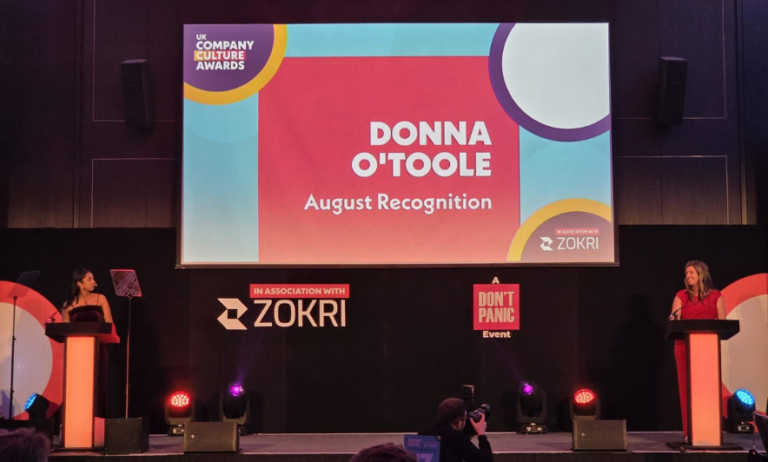
Founded by award-winning entrepreneur, international awards judge and bestselling author of WIN!, Donna O’Toole, August Recognition specialises in helping individuals, leaders and businesses communicate their achievements through credible, high-quality awards strategies and submissions.
We understand how important it is to present exceptional achievements clearly, accurately and persuasively.
Whether you are exploring recognition for an inspirational individual or considering prestigious business awards, our team can help you understand the available opportunities.
Do you know someone whose achievements deserve greater recognition?
Get in touch with August Recognition to discuss the most appropriate next steps.
Please note: National honours are awarded through the independent UK Honours system. No awards agency or adviser can guarantee a nomination will be successful.